
About Me
Since 2003, I have studied and worked in some of Japan’s most renowned ceramic centres, including Tamba, Shigaraki, Echizen, Tokoname, Seto, Tajimi, Kutani, Hagi, Mino, and Bizen. In 2010, I established a pottery studio in Misato, Shimane Prefecture, Japan, while continuing my research into traditional Lithuanian ceramic practices and technologies.
In recognition of my professional achievements, I was awarded the status of Art Creator of Lithuania in 2010 and received the National Heritage Product Certificate in 2013.
In 2014, I founded the Anagama Ceramic Art Centre in Dūkštos, near Vilnius, Lithuania, and built the wood-firing kiln Karmazinų Anagama. The anagama is one of the oldest types of ceramic kilns, introduced to Japan from China via Korea in the fifth century. During a firing cycle lasting five days and nights, dozens of cubic metres of pine wood are burned, raising temperatures to 1300–1400°C. The ash carried through the kiln melts onto the clay surfaces, creating unique natural ash glazes and distinctive firing effects.
Today, the newly built Dūkštos Anagama kiln continues this tradition, providing opportunities for artistic research, education, and international exchange in wood-fired ceramics.
My work can be seen at Sodo Gallery in Vilnius and at the Anagama Ceramic Art Centre in Dūkštos. Visitors are welcome to explore the exhibitions, acquire ceramic works, and participate in workshops and wood-firing events.
my anagama works
These works embody the unique aesthetics of high-temperature wood firing in traditional Anagama kilns. During a firing cycle lasting approximately 115 hours, each piece develops exceptional beauty, strength, and character. Exposed to temperatures reaching 1300°C, the clay vitrifies almost completely, transforming into a stone-like material of remarkable durability.
Within the intense atmosphere of the kiln, wood ash melts and fuses with the clay surface, creating natural ash glazes and distinctive patterns formed by flame, heat, and movement of the fire. Every piece must be carefully designed and positioned in anticipation of these effects—considering where ash will settle, how flames will travel across the surface, and where molten ash will accumulate or flow.
Anagama firing is a dialogue between the artist and the kiln. Over five days and nights of continuous firing, the interaction of clay, fire, ash, and atmosphere produces rich textures and subtle variations of colour, ranging from earthy tones to glowing amber and deep charcoal hues. Each work emerges as a unique record of the firing process, impossible to replicate.
The art of Anagama firing is not only a method of making ceramics but also a distinctive way of decorating with fire itself.

my wood fired ash glaze works
These works are decorated with a combination of wood ash, finely ground stone, and selected clay mixtures. During firing in a wood-burning kiln at temperatures reaching 1300°C, these natural materials melt and fuse with the ceramic surface, forming distinctive ash glazes rich in depth and variation.
The final colours and surface qualities are influenced by carefully controlled oxidation and reduction atmospheres within the kiln. Through this process, a wide range of tones, textures, and gloss levels can be achieved, making each piece unique.
Although these works are fired for a shorter period than traditional Anagama ceramics - typically around 12 hours - they possess exceptional durability and strength. The glazes, created from natural minerals and wood ash, produce surfaces of remarkable richness and subtle beauty.
The uniqueness of this collection lies not only in the natural origin of its materials but also in the harmonious interplay of colours, textures, and fire-created effects that cannot be replicated by industrial methods.

my anagama sculptures
My ceramic sculptures are fired for five days and nights (100+ hours) in Anagama kiln. This demanding wood-firing process creates natural ash glazes formed entirely by wood ash carried through the kiln by flame and heat.
The surfaces reveal rich flashing, natural ash deposits, and subtle variations created by oxidation and reduction atmospheres, resulting in an extraordinary range of colours, textures, and visual effects. Each piece records the unique interaction of clay, fire, ash, and time, making every work truly one of a kind.
The distinctive characteristics of Anagama firing produce an exceptionally broad spectrum of surface qualities, from delicate earthy tones and warm amber hues to dramatic ash accumulations and glass-like textures. These effects cannot be replicated by industrial methods and are highly valued by collectors and ceramic connoisseurs worldwide.
Beyond their aesthetic qualities, these high-fired ceramic sculptures achieve remarkable strength and weather resistance. Fired at temperatures exceeding 1300°C, the clay becomes vitrified, allowing the works to be permanently displayed outdoors in virtually any climate.

welcome to
Studio Gallery Vilnius
address: Jurates 1, Vilnius 10311
(next to Sapieha Palace and TechPark)
we have our own parking lot
please, call before you visit +37061959106
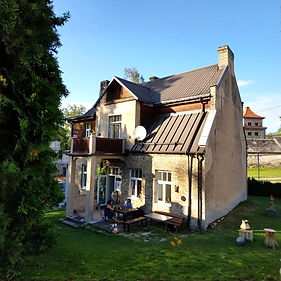
welcome to
Anagama Ceramic Art Centre
address: Buivydų g. 32,
Buivydai, Vilnius distr. 14221
20 km outside Vilnius city
Please, call before you visit +3706195910
